


Practical Selection of Sustainable Serving Products for Foodservice Buyers
Balancing performance, cost, and regulatory expectations in the selection of eco-friendly tableware and compostable bowls.
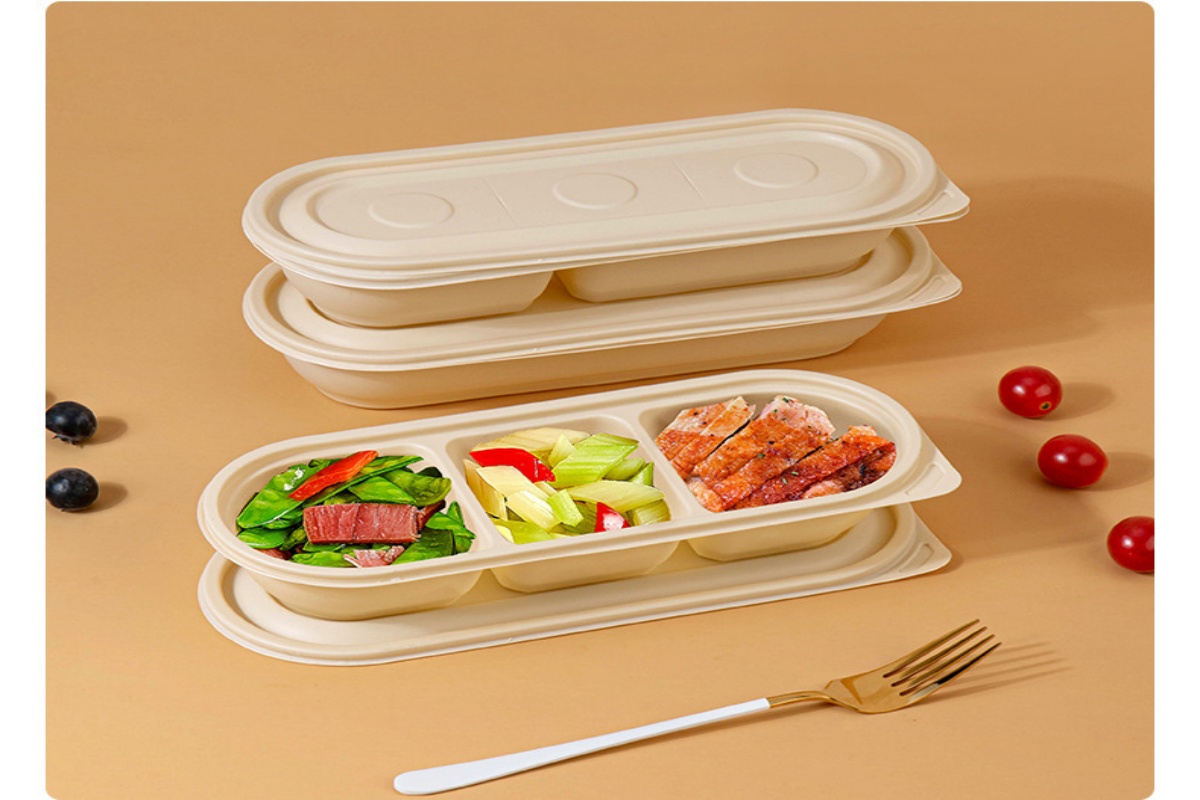
Eco-oriented serving products are commonly produced from molded fiber, bagasse, or blended plant-based materials. These materials are chosen because they offer sufficient rigidity for short-term food contact while meeting disposal requirements in regulated markets. However, not all products within this category perform equally. Wall thickness, fiber density, and surface treatment directly affect strength and liquid resistance.
Compostable bowls are one of the most widely used formats in this category. They are designed for hot and cold foods, including rice dishes, salads, noodles, and soups with moderate liquid content. Typical sizes range from 12oz to 40oz, with 24oz and 32oz being the most common for takeaway meals.
Material density is the most important factor. Low-density bowls feel light but soften quickly when exposed to heat or moisture. High-density bowls maintain structure longer but use more raw material, increasing cost. A balanced bowl should hold hot food for at least 30 minutes without collapsing.
Surface coating also matters. Uncoated bowls absorb liquid quickly. Light water-based coatings improve resistance without affecting compostability. Buyers should request liquid-hold test data rather than relying on generic claims.
Rim design impacts stacking and lid fit. Poorly designed rims cause lids to loosen during transport. This leads to spills and rejected deliveries.
From a logistics perspective, packaging efficiency matters. Bowls that nest poorly increase carton volume and shipping cost. Bulk buyers should always test pallet efficiency.
In regulated markets, certification alignment is critical. However, certification alone does not guarantee performance. Buyers should conduct real-use testing with their menu items.
When sourcing eco-focused serving products, procurement teams should evaluate:
- Heat resistance under real food loads
- Liquid resistance over time
- Stack stability during transport
- Consistency between production batches
Products that perform well in lab conditions may still fail in real kitchens.
| Evaluation Factor | Practical Impact | Buyer Action Required |
|---|---|---|
| Material Density | Structural integrity under heat/moisture, cost | Request hot-hold test data (min 30 min), balance cost vs. performance |
| Surface Coating | Liquid absorption rate, compostability | Ask for specific liquid-hold test results, verify coating type |
| Rim & Lid Design | Transport spillage, lid security | Physically test lid fit and stacking stability |
| Packaging & Logistics | Shipping cost, storage efficiency | Test pallet efficiency, assess carton nesting |
| Certification & Real Use | Regulatory compliance, actual kitchen performance | Conduct real-use tests with specific menu items, don't rely solely on certificates |
Selecting appropriate disposable products for family and institutional use ensures a safe, hygienic, and efficient dining experience. Safety features in children's cutlery and contamination-resistant cup systems are essential for meeting the specific needs of these environments.